 Annarita S. Bonfanti1,*, Nzhdeh A. Yeranyan2,**, Аnna N. Novikova3,***, Аstghik S. Poghosyan2,**** and Roberto Dan4,*****
1Institute for the Study of the Ancient World (ISAW/NYU) / ISMEO – The International Association for Mediterranean and Oriental Studies, New-York city, USA
2History Museum of Armenia, Yerevan, Republic of Armenia
3The State Hermitage Museum, St. Petersburg, Russia
4SMEO – The International Association for Mediterranean and Oriental Studies
*E-mail: as.bonfanti3@gmail.com
**E-mail: nzhdehyan@gmail.com
***E-mail: antique2@yandex.ru
****E-mail: astghpoghosyan@yahoo.com
*****E-mail: roberto_dan@hotmail.it
Keywords: Urartian royal power; inscribed bronze bowls; Karmir Blur/Teishebaini/Teisheba URU; royal ideology and iconography; the end of Urartu.
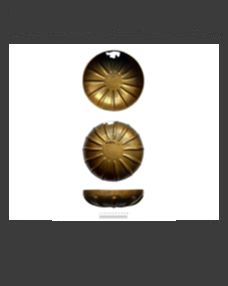
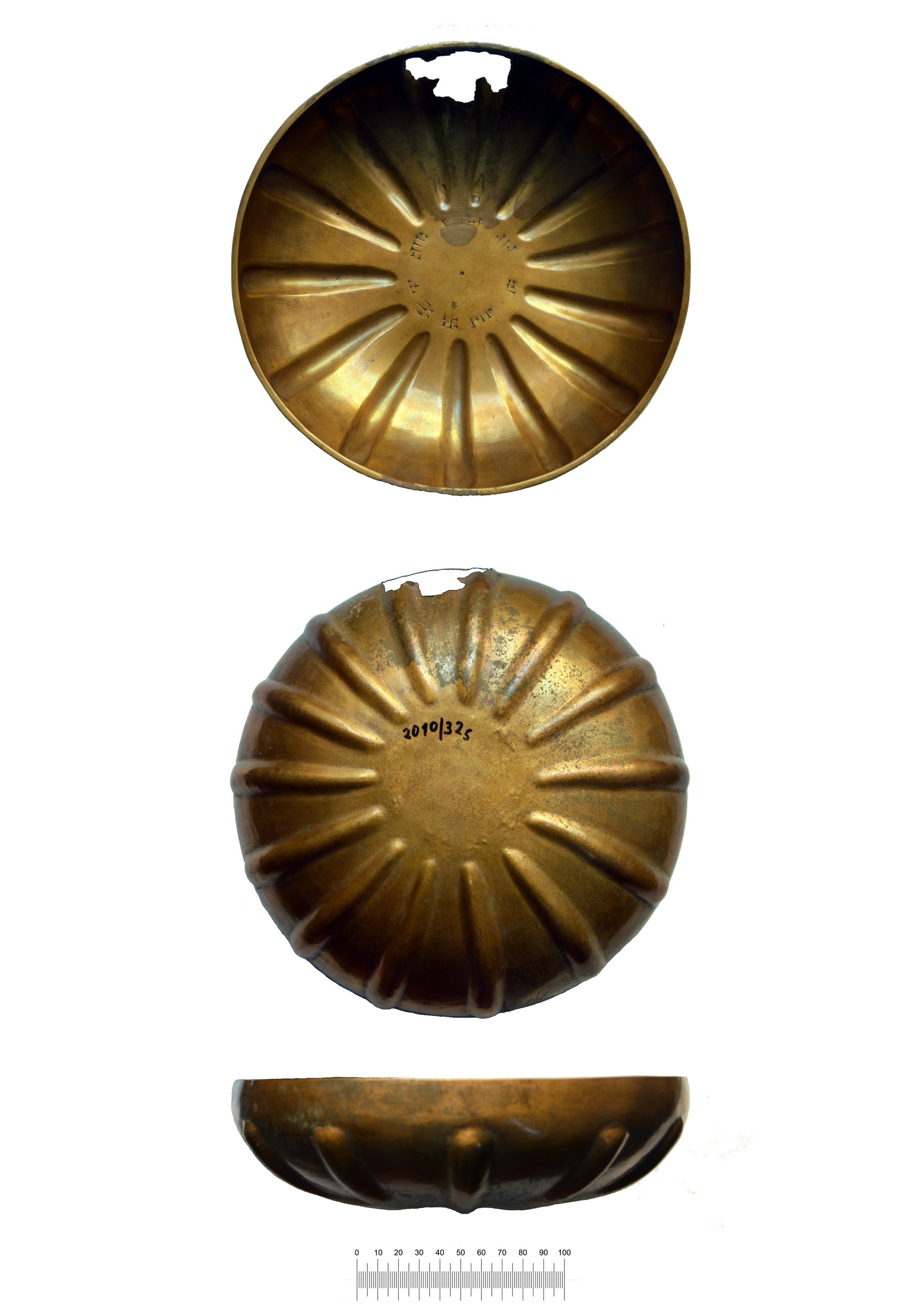
One of the most remarkable collections of Urartian royal artifacts is ninety-seven bronze bowls inscribed with the names of kings. These bowls found on Karmir Blur hill are now housed in the collections of Armenian and Russian museums: the History Museum of Armenia, the Erebuni Historical and Archaeological Museum-Reserve, the State Hermitage Museum, the State Historical Museum, and the A.S. Pushkin State Museum of Fine Arts. Owing to their standard form, cuneiform inscriptions, and symbolic iconography, they provide important information about Urartian royal authority, court rituals, and political ideology. This article reassesses these monuments using palaeographic, iconographic, and contextual analysis proposing new attributions to specific rulers and emphasizing the role of these artefacts as both functional vessels and ideological instruments – cult objects. The authors also consider the hypothesis that these bowls, many of which were made before the foundation of the fortress on Karmir Blur hill, were probably transferred from another centre of power, possibly the capital Tushpa, in the late 7th century BC. This suggests that Teishebaini (albeit for a short period) became the last centre of the Urartian state. Thus, the study briefly examines the role of the fortress of the god Teisheba in the final chapter of Bia/Urartu history and sheds light on the material expression of dynastic memory at the time of the state’s political collapse.
DOI: 10.7868/S3034577426030079