Konstantin N. Skvortsov*, Yaroslav V. Prasolov**, Maria V. Dobrovolskaya***, and Ekaterina A. Kleshchenko****
Institute of Archaeology RAS, Moscow, Russia
*E–mail: sn_arch_exp@mail.ru
**E-mail: j.w.prassolow@yandex.ru
***E-mail: DobrovolskayaMV@iaran.ru
****E-mail: malzeva-ekaterina@mail.ru
Keywords: Kaliningrad/Sambian Peninsula, West Balts, Aestii, Sambian-Natangian culture, Germanic warrior unions, weapon graves, bear claws (bear fells), Late Migration period, Dark Ages.
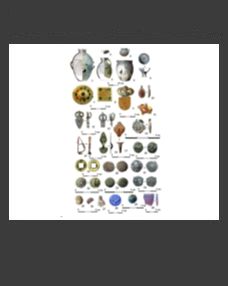
The authors discuss the first bear claw finds in the recently investigated Late Migration period and the so-called Dark Ages cremation graves on the Kaliningrad Peninsula, which during the specified period was a settlement area of the West Balt tribe of the Aestii, a West Balt tribe, of historical records. The composition and richness of the grave assemblages in question as well as the accompanying horse burials stand out of the contemporary Sambian complexes. Unique in the local archaeological material are numerous (from two to 12) unburnt and unprocessed claws of european brown bear Ursus arctos found in these burials. Presence of these objects is presumably an evidence of placing bear fells in the graves, which can be interpreted not only in terms of warrior funerary rites, but also as a sign of a high social status of the dead. The presence of characteristic imported items among the grave goods indicates that the cultural traditions of the Germanic peoples – among whom the custom of placing bear skins in graves became widespread during the period in question – had an influence on the Aestian community elite.
DOI: 10.7868/S3034577426020054