 Viktor V. Vakhoneev1,2,*
1Institute for the History of Material Culture RAS, Saint Petersburg, Russia
2Sevastopol State University, Sevastopol, Russia
*E-mail: vvvkerch@mail.ru
Keywords: Tauric Chersonesus, cremation sites, ustrinum, necropolis, cremation, funeral rite, classical period, Roman Empire.
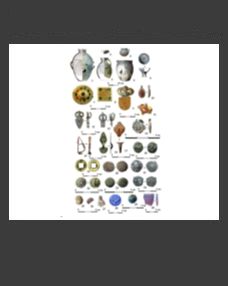
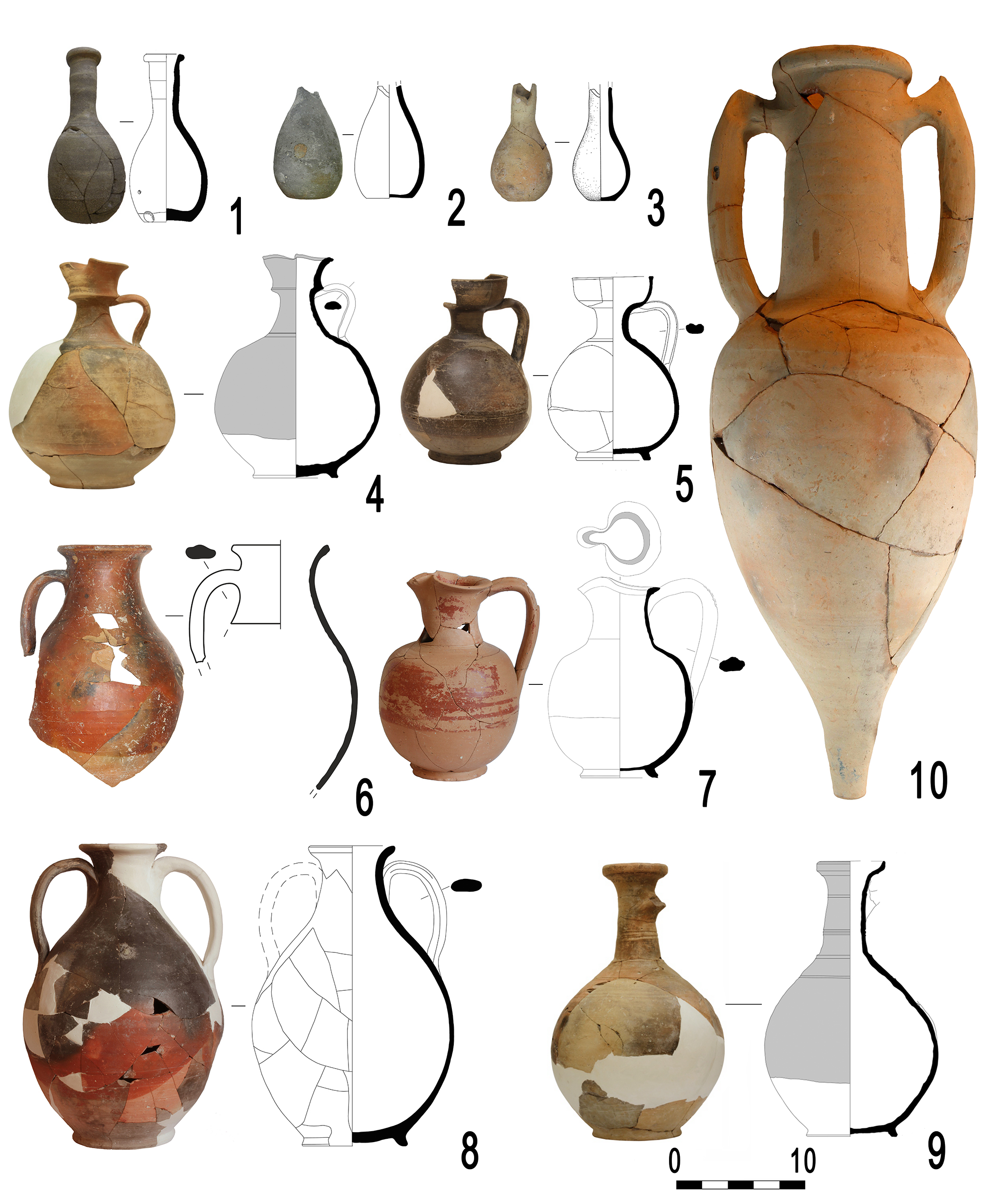
The paper focuses on the study of a unique archaeological complex of cremation sites (ustrina) found in the southern suburb of Tauric Chersonesus in 2021–23. During the excavations, 342 sites of 1st–2nd centuries AD were identified. An analysis of their design, stratigraphy and location features allowed establishing spatial patterns and possible cult practices associated with the cremation ceremony. Special attention is paid to the technical aspects of the construction and operation of ustrina, including the availability of blowouts, as well as the reuse of individual sites. The article examines the material evidence of the funeral ritual, including ceramic vessels, jewellery, and elements of the funeral costume. The archaeological material from Chersonesus is compared with similar sites in other provinces of the Roman Empire, which makes it possible to identify both common Roman traditions in the organization of necropolises and regional peculiarities. These studies confirm the existence of a cremation tradition in Chersonesus, which developed under the influence of Roman funeral practices. The results obtained are important for reconstructing the social and ritual context of cremation rites in ancient Chersonesus and clarify the understanding of the funerary traditions of the Roman era. Further study of the necropolis and its infrastructure will allow for a deeper understanding of the dynamics of cultural influences and the evolution of ritual practices on the periphery of the Roman Empire.
DOI: 10.7868/S3034577425040045