 Vladimir V. Beilekchi1,*, Valentin V. Beilekchi1,**, and Valery V. Rodin2,***
1Lower Oka Historical and Archaeological Bureau “Artifact”, Murom, Russia
2Secondary School No. 12, Murom, Russia
*E-mail: v-bei-61@yandex.ru
**E-mail: benny1987@yandex.ru
***E-mail: valerii-rodin@yandex.ru
Keywords: recorded Muromians, trade with Orient, Murom Kremlin, sanctuary, tribal centre, population with Druzhina culture inventory, late 10th century.
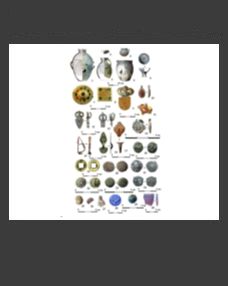
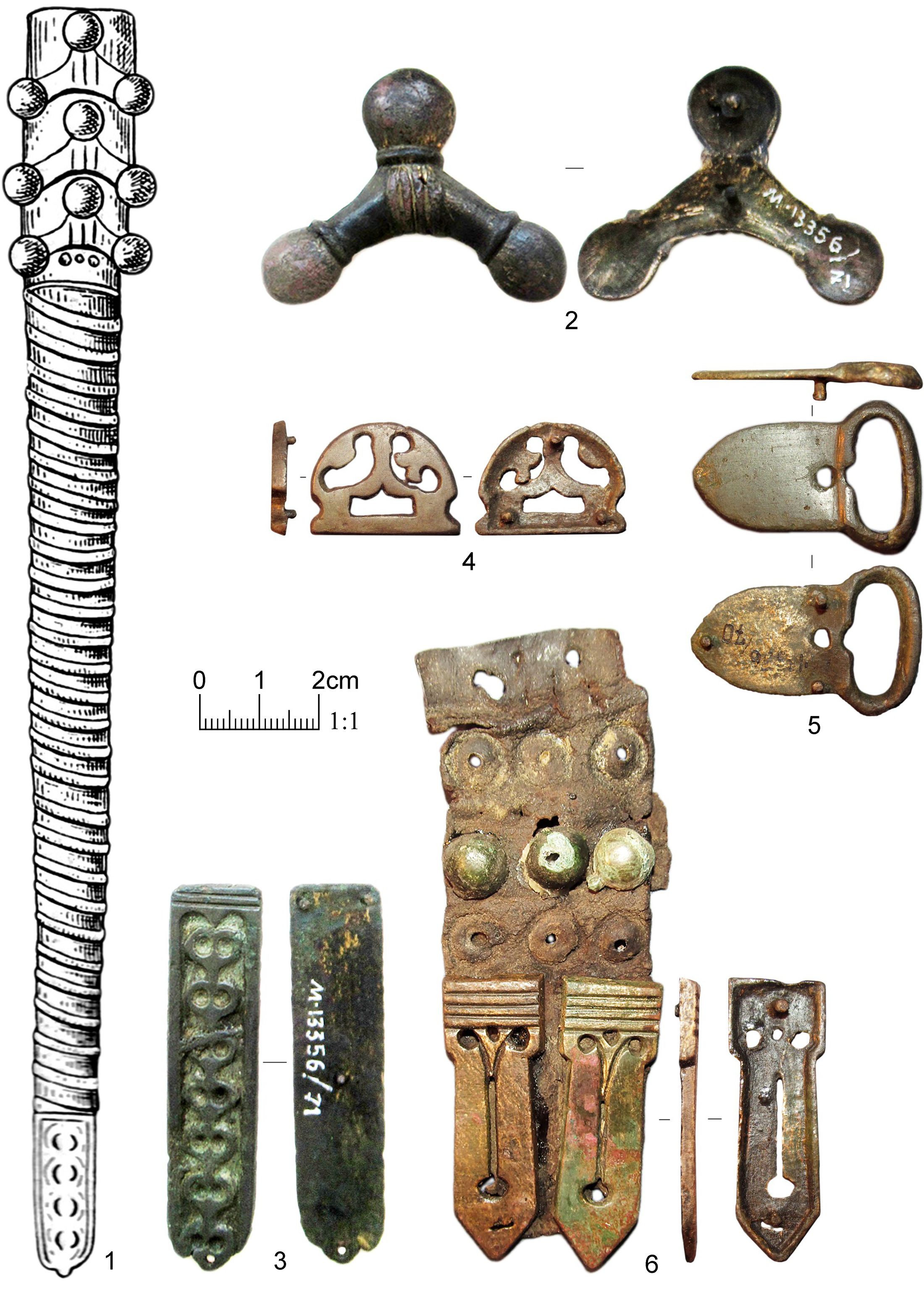
The issue of the foundation of Rus’ Murom is inseparable from geographical, historical, and archaeological realities. From the turn of the 5th–6th centuries AD, the Volga Finns referred to as Muromians in Russian chronicles were active in Murom region of the Lower Oka, taking the advantages of a fertile landscape. From the 8th to mid-10th century AD, the Muromian people were involved in interregional trade with the Orient bringing in Kufic silver, artifacts from the Cis-Urals, and the Khazar Khaganate. The settlements, as well as the sanctuary and burial grounds, compactly located within the territory of the modern town of Murom and its environs, constitute almost half of the sites from that period on the Oka left bank. This agglomeration can be defined as a tribal centre. In the late 10th century AD, with the arrival of people with “Druzhina” culture inventory, a “town” with syncretic population was founded there, which is evidenced by finds from the initial layer of the Kremlin. The foundations of the Rus’ town of Murom were apparently laid at the end of the 11th century.
DOI: 10.7868/S3034577426010081